
MARYSVILLE, OH – November 03, 2026 – PRESSADVANTAGE –
Sleep Better Marysville is expanding its focus on temporomandibular joint (TMJ) disorder treatment, emphasizing custom-fitted oral appliance therapy for patients experiencing persistent jaw pain, facial tension, headaches, and other symptoms associated with jaw dysfunction. The expanded service focus addresses the relationship between jaw health, nighttime teeth grinding, and sleep quality while providing information about conservative treatment options for patients in Marysville and the surrounding Union County area.
Sleep Better Marysville’s TMJ disorder treatment services include evaluation of jaw-related symptoms and consideration of custom oral appliances when clinically appropriate. Sleep Better Marysville, located at 1139 N. Maple Street in Marysville, Ohio, also provides treatment for sleep apnea.
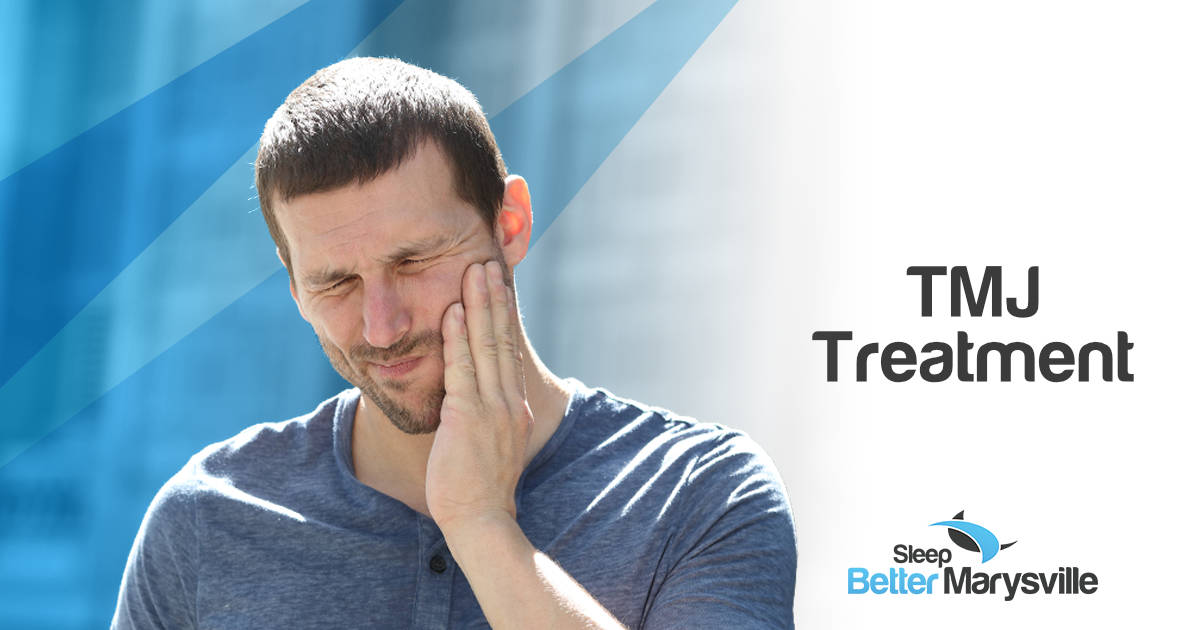
Temporomandibular disorders (TMD) affect the joints connecting the lower jaw to the skull, as well as the muscles responsible for controlling jaw movement. These conditions can cause clicking or popping sounds, limited jaw movement, headaches, facial soreness, and discomfort when chewing or speaking. Some patients also experience nighttime teeth grinding or clenching, which can contribute to muscle fatigue and morning jaw discomfort.
Dr. Dawne Slabach is associated with the practice’s clinical focus on sleep-related conditions and oral appliance therapy. Their work is connected to Sleep Better Marysville’s services addressing sleep apnea and TMJ-related concerns. The practice’s approach considers how oral health and nighttime habits may influence both jaw comfort and sleep quality.
“TMJ-related symptoms can have different underlying causes, which makes an individual evaluation important before recommending treatment. Custom oral appliances may be appropriate for certain patients, particularly when nighttime clenching or grinding contributes to their discomfort,” said Dr. Dawne Slabach of Sleep Better Marysville in Marysville, OH.
Before recommending an appliance, an evaluation considers the patient’s symptoms, dental history, jaw movement, and areas of tenderness. Clicking, restricted movement, recurring headaches, and morning soreness can provide useful information about the nature of the condition. The assessment also helps determine whether symptoms may involve the jaw joint, surrounding muscles, or other contributing factors.
Custom-fitted oral appliances are among the conservative treatment options considered for selected patients. Depending on the appliance design and diagnosis, these devices may help protect the teeth from grinding and manage excessive pressure associated with nighttime clenching. Their purpose and potential benefits vary according to the underlying condition and individual treatment needs.
The effectiveness of oral appliances for temporomandibular disorders is not uniform across all diagnoses. Certain devices may help specific patients, while others may experience increased discomfort or changes in their bite. For this reason, appliance selection, fitting, and follow-up evaluation are important considerations. Treatment recommendations should be based on individual clinical findings rather than assuming that one appliance is suitable for every TMJ condition.
The practice’s sleep-focused services also address the connection between nighttime habits and daytime discomfort. Sleep-related teeth grinding may occur without a person’s awareness, making morning headaches, jaw stiffness, and facial soreness potential indicators of nighttime clenching. Identifying these patterns can help determine whether oral appliance therapy should be considered as part of an individual’s treatment plan.
Beyond nighttime grinding, ongoing jaw discomfort can affect everyday activities such as eating, speaking, and concentrating. Persistent symptoms may also make it difficult to achieve comfortable rest, particularly when jaw tension or soreness becomes noticeable at bedtime or upon waking. Recognizing these effects is an important part of understanding how TMJ-related concerns can influence daily routines and overall well-being.
Treatment planning may also involve monitoring changes in symptoms after an oral appliance is introduced. Follow-up evaluations allow clinicians to assess comfort, appliance fit, and the patient’s response to treatment. If discomfort increases or changes in jaw movement or bite alignment occur, the treatment approach may need to be reassessed. Continued evaluation helps ensure that recommendations remain appropriate as the patient’s condition and symptoms evolve.
Another consideration in managing TMJ disorders is recognizing that symptoms may develop gradually rather than appearing as a single episode of discomfort. Occasional jaw clicking may not necessarily indicate a serious problem, but recurring pain, restricted movement, or persistent muscle tenderness may warrant further assessment. Understanding when symptoms occur, how frequently they develop, and whether they interfere with normal activities can help clinicians determine the appropriate next steps.
Patients may also benefit from discussing habits that place repeated stress on the jaw, including daytime clenching, chewing-related strain, and nighttime grinding. Identifying these behaviors can provide additional context during an evaluation and help guide recommendations beyond appliance use alone. Depending on the findings, treatment planning may include monitoring symptoms, reviewing oral appliance options, or considering additional professional evaluation when the condition requires a different approach.
TMJ disorders and obstructive sleep apnea are separate conditions, although some patients may experience both. Sleep apnea involves repeated interruptions in breathing during sleep, while TMJ disorders affect the jaw joints and surrounding muscles. Oral appliances used for these conditions also serve different purposes. Mandibular advancement devices prescribed for certain sleep apnea patients are designed to help maintain an open airway, while appliances for selected TMJ-related concerns may address grinding, clenching, or other sources of jaw strain.
Sleep Better Marysville’s services address both conditions, allowing patients to discuss sleep apnea and jaw-related symptoms within the practice’s sleep-focused care setting. When symptoms overlap, appropriate evaluation helps determine which treatment approaches may be suitable and whether additional assessment is necessary.
The expanded attention to TMJ disorder treatment provides an opportunity for local residents to learn about the potential causes of recurring jaw discomfort and the role of conservative treatment options. See more information here: https://sleepbettermarysville.com/tmj-disorder-treatment/
Patients experiencing persistent pain, restricted jaw movement, clicking, headaches, or suspected nighttime grinding can discuss their concerns with the practice to determine whether an evaluation is appropriate.
###
For more information about Sleep Better Marysville, contact the company here:
Sleep Better Marysville
Dr. Mark Levy
+16147777350
cynthia@sleepbettercolumbus.com
1139 N. Maple Street
Marysville, OH 43040


