

London/United Kingdom – September 25, 2026 – Horology Atlas is developing a comprehensive digital encyclopedia and reference platform dedicated to the history, science, technology and craftsmanship of horology.
Available at https://horologyatlas.com/, the platform is designed for watch collectors, horology enthusiasts, researchers, historians, students, watchmakers and anyone interested in understanding the remarkable evolution of mechanical timekeeping.
Unlike resources focused primarily on contemporary watch brands, Horology Atlas takes a broader approach, covering the technologies, people, objects and historical developments that have shaped horology over centuries. Its growing database brings together information about mechanical watches, pocket watches, clocks, movements, calibres, escapements, complications, components, watchmakers, manufacturers and collecting.
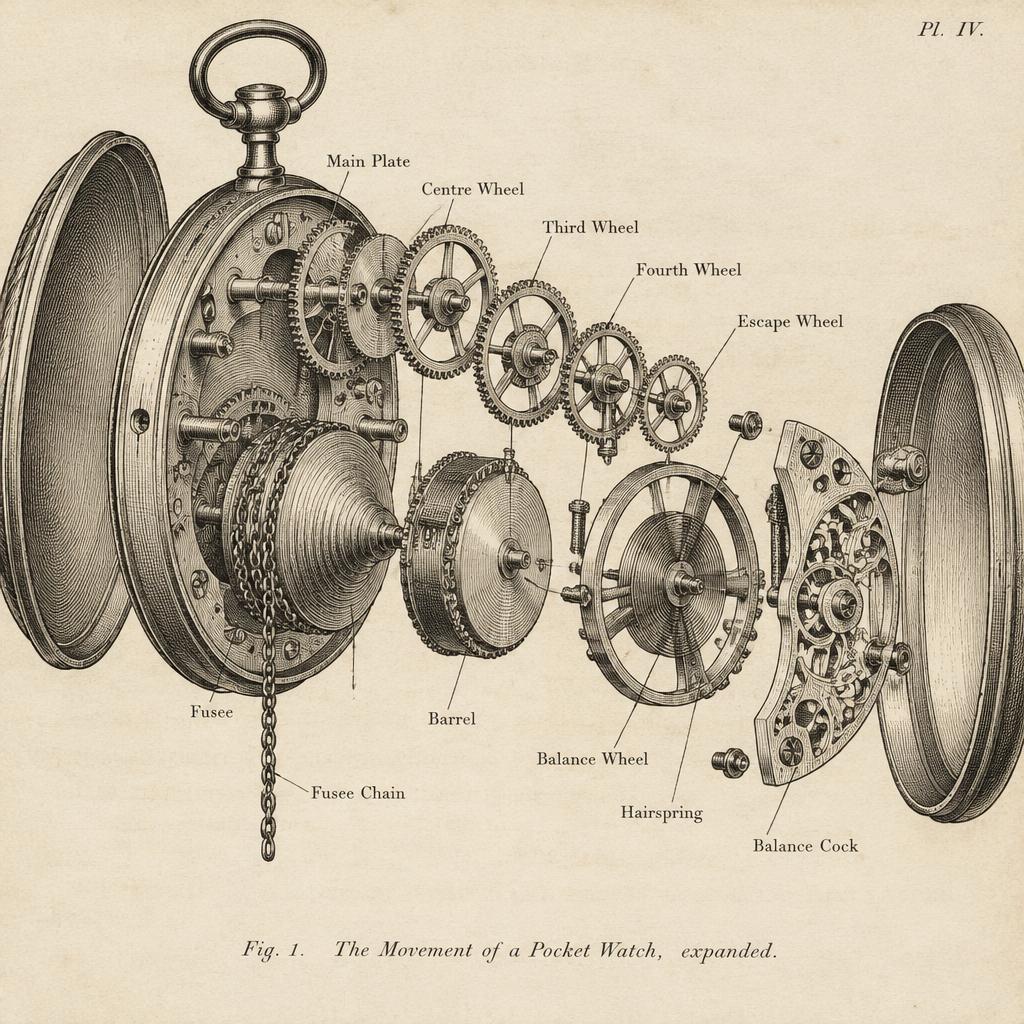
A Comprehensive Reference for Horology
The platform’s encyclopedia is being developed around interconnected subjects, allowing visitors to move from an individual watch or movement into its wider historical and technical context.
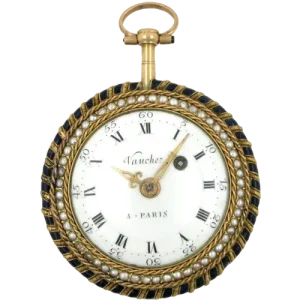
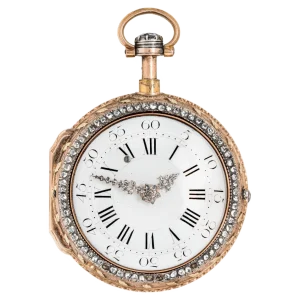
The Pocket Watch Encyclopedia explores the development of portable mechanical timepieces and their many forms, including hunter-case watches, railroad watches, fusee watches, repeaters, military watches and other historically significant examples.
Explore the Pocket Watch Encyclopedia
For those interested in the technical side of watchmaking, the Watch Movement Encyclopedia provides a structured reference for researching mechanical movements and calibres. Information can include manufacturers, dimensions, jewelling, escapements, production periods and known applications.
Explore the Watch Movement Encyclopedia
Identification and Collecting Resources
Researching an antique or vintage timepiece can be challenging, particularly when a watch has an unfamiliar movement, missing documentation, an unsigned dial or evidence of later modifications.
Horology Atlas’s Identification Centre provides guidance for examining characteristics such as movement architecture, markings, serial numbers, case construction, hallmarks, dials and other physical evidence. The objective is to encourage a systematic research process rather than relying on a single identifying feature.
Visit the Horology Atlas Identification Centre
The platform also provides a dedicated Collector’s Reference, covering topics relevant to building and documenting collections, including condition, provenance, originality, restoration, documentation and research.
Explore the Collector’s Reference
Exploring the History of Timekeeping
Horology Atlas places mechanical watches within the much larger story of human timekeeping. Its historical resources explore the evolution from early methods of measuring time through mechanical clocks, portable watches and the technological developments that ultimately shaped modern watchmaking.
The Horological Timeline provides a chronological framework for exploring important developments, inventions and milestones throughout the history of timekeeping.
Explore the Horological Timeline
The platform also examines important mechanical technologies, including escapements, gear trains, regulating systems and complications, while documenting the contributions of watchmakers and manufacturers across different countries and historical periods.
Preserving Horological Knowledge
A major objective of Horology Atlas is to make specialized horological information more accessible while contributing to the long-term preservation of knowledge about historical timepieces.
Important information about watches and clocks can be distributed across specialist books, museum collections, archives, auction catalogues and the expertise of individual collectors and watchmakers. By bringing related information together in a structured digital environment, Horology Atlas aims to provide a practical starting point for further research.
The platform is designed to continue expanding with additional encyclopedia entries, historical articles, movement records, maker information, technical resources and references.
A Growing Resource for the Global Horology Community
Whether someone is researching an inherited pocket watch, studying the mechanism of a mechanical movement, investigating the history of a watchmaker or simply learning how mechanical timekeeping works, Horology Atlas aims to provide a useful starting point.
By combining encyclopedia-style reference material with educational articles, identification resources and collecting information, the platform seeks to connect the technical, historical and cultural dimensions of horology in one growing online resource.
About Horology Atlas
Horology Atlas is a digital encyclopedia and reference platform dedicated to horology, watchmaking and the history of timekeeping. The platform covers watches, pocket watches, clocks, movements, complications, mechanisms, watchmakers, manufacturers, identification, collecting and horological history.
Website: https://horologyatlas.com/
Media Contact
Company Name: Horology Atlas
Contact Person: Media Relations
Email: Send Email
Country: United Kingdom
Website: https://horologyatlas.com/
Press Release Distributed by ABNewswire.com
To view the original version on ABNewswire visit: Horology Atlas Expands Digital Resources for Watch Collectors and Horology Enthusiasts


