 New York, NY / Storyteller / Jun 14, 2026 /
Wonga South Africa has been named Technology Company of the Year at the 2026 Sentech Africa Tech Week Awards, the country’s most-watched recognition of digital transformation and technological advancement across the continent. The award was presented at the Cape Town International Convention Centre on 13 May, the closing evening of a two-day conference that drew ministers, regulators, and the senior leadership of Africa’s largest technology firms.
The latest recognition follows the company’s win in the FinTech category at the same awards in 2025, marking back-to-back national honours and a clear signal of intent from the Cape Town-headquartered personal lender. Where the 2025 award acknowledged technical innovation within financial services specifically, this year’s title is broader in scope, recognising organisations using technology to drive sector-wide growth and create long-term value through coherent strategy and leadership.
Wonga is the first short-term loan provider to win the title.
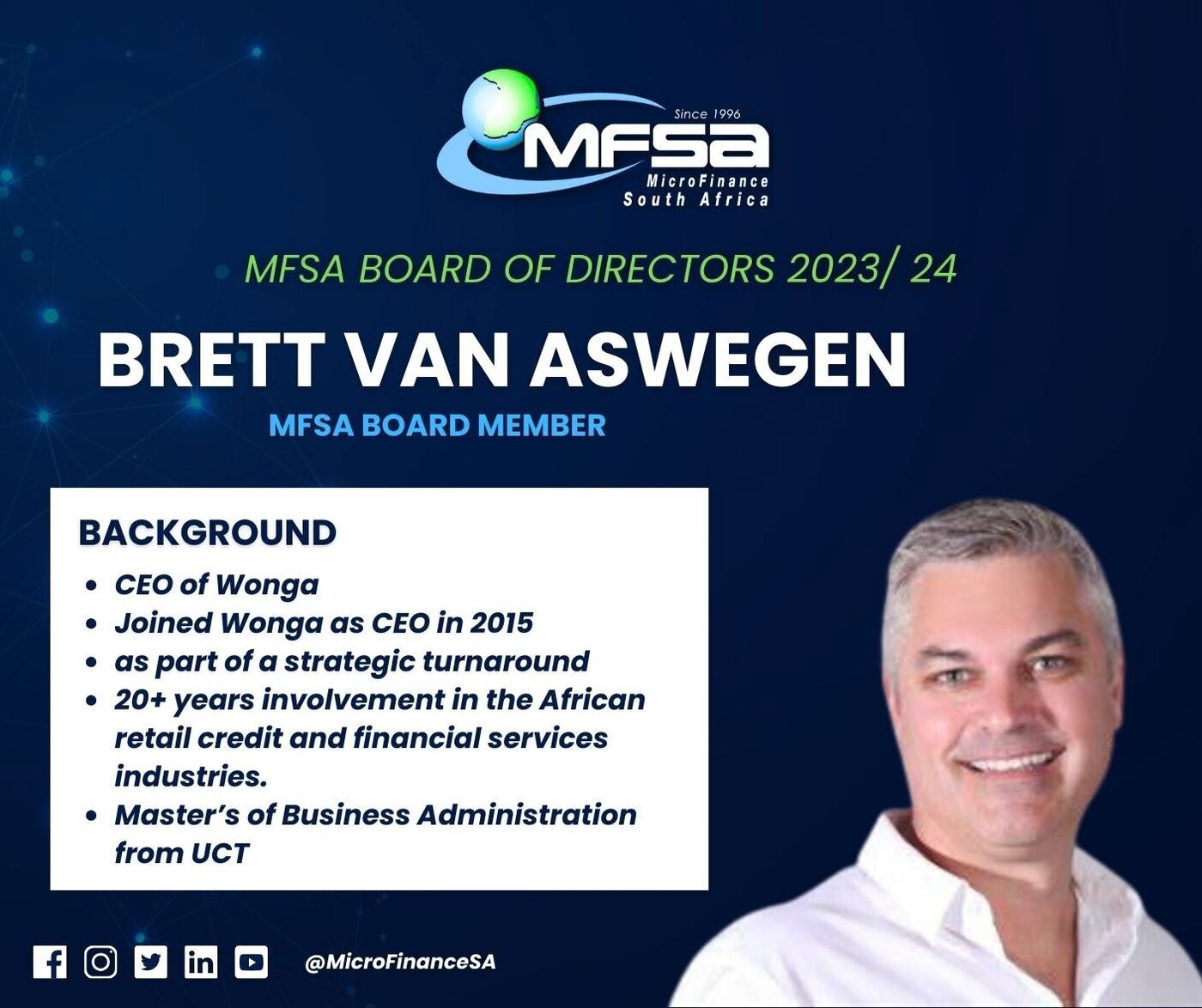
A spokesperson for Wonga said the win belongs to the engineering, data, marketing and customer service teams who have built the platform out over the past several years. CEO Brett Van Aswegen has previously described the company’s ambition as moving beyond the traditional definition of a short-term lender, instead positioning Wonga as a financial inclusion business that issue responsible short-term loans.
A decade of rebuilding and optimisation
Wonga South Africa’s trajectory over the past ten plus years has been studied closely by analysts. After acquiring the S.A. regional arm of the global Wonga group through a management buyout in 2019, the team overhauled the entire technology stack in the years that followed to provide personal credit more effectively. The legacy systems originally built in 2007 were retired and replaced with a cloud-native platform that, according to Van Aswegen, processed three times the personal loan application volume of the old system in its first month of operation. Faster iteration has translated directly into better credit risk models, faster application decisions, and improved customer outcomes, all of which were cited by judges at this year’s awards.
Expanding access through alternative data
The recognition arrives at a time when access to formal credit remains a persistent challenge in South Africa. Roughly 40% of adults in the country sit outside the conventional credit system, often because they lack the documented credit history that traditional banks rely on to make personal loan lending decisions. The result is a structural Catch-22; residents cannot build credit history because they cannot access credit, and they cannot access credit because they have no history.
Wonga’s response has been to widen the data inputs used in its bespoke risk assessment models. Alongside conventional credit bureau data, the company aims to draw from mobile transaction patterns, utility payment behaviour, and employment information to build a more complete picture of an applicant’s financial responsibility. The approach, powered by machine learning algorithms developed in-house, has allowed the company to extend credit to applicants who would be potentially declined by mainstream lenders, without compromising on responsible lending principles.
This is the practical face of financial inclusion, and it is the work that has earned Wonga its growing reputation as a responsible lender operating in a market historically associated with predatory practices.
Consumer research that shapes nationwide conversation
Beyond the lending platform itself, Wonga has built a body of consumer research that has become a regular reference point for South African media covering household finances. A recent survey of nearly 4,500 South African adults across income bands, revealed the scale of the cost-of-living squeeze on the average household. Among the findings, roughly 84% of respondents named food and groceries as the expense category that had risen most sharply, followed by electricity at 54% and fuel at 33%.
The same research found that 55% of South Africans are unable to put away any savings each month, with 59% not saving toward retirement at all. For those earning under R2,500 per month, loan and credit card repayments consume an average of 51% of take-home pay, a figure the company has flagged as a clear marker of debt spiral risk.
Dedicated research initiatives from the company have examined everything from side hustle economics and holiday spending behaviour to the rise of unregulated ‘mashonisa’ lenders, who are estimated to number around 40,000 nationwide. The studies are made available to journalists and policy researchers free of charge, and the data has been used in coverage by mainstream news outlets for years to inform the financial strain facing those most at financial risk in South Africa.
Chief Marketing Officer James Williams has previously noted that the research programme is designed to give households a clearer view of where their money is going, particularly during periods of sustained inflation, and to inform the broader public conversation about consumer credit policy.
About Wonga
Wonga South Africa operates under the supervision of the National Credit Regulator and offers short-term loan products ranging from R500 to R8,000 with flexible repayment terms. The company employs more than 250 and continues to invest in its technology platform, with further significant product developments expected over the coming twelve months.
###
Media Contact
James Williams
media[at]wonga.co.za
Responsible Borrowing Disclaimer: Short-term loans are intended to help with unexpected expenses and should not be used as a long-term financial solution. Customers should only borrow what they can afford to repay and consider whether a short-term loan is appropriate for their circumstances before applying.


