Investigating the Advantages of Modular Construction for Small Businesses
Timmonsville, United States – February 4, 2025 / Delta Building Systems /
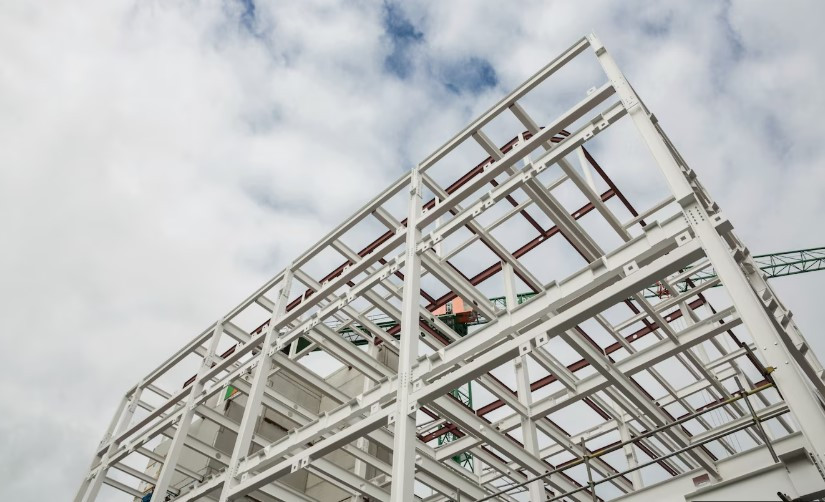
Small enterprises often face numerous challenges when setting up their physical infrastructure, from high construction costs to long project timelines. Pre-engineered buildings (PEBs) have emerged as a game-changer, offering cost-effective, flexible, and durable solutions tailored to business needs. Unlike traditional buildings, which require extensive planning, labor, and materials, PEBs come in ready-to-assemble components, significantly reducing construction time and expenses.
This article explores the various benefits of pre-engineered buildings and how they can be a smart investment for small businesses looking for efficient, scalable, and sustainable building solutions.
Cost-Effectiveness of Pre-Engineered Buildings
One of the most significant advantages of PEBs is their affordability. Traditional construction involves extensive labor costs, raw materials, and unpredictable expenses that can push small businesses beyond their budgets. Pre-engineered buildings, on the other hand, offer:
- Lower Material Costs: Since PEBs are made from standardized components, manufacturers can produce them in bulk, reducing material waste and costs.
- Reduced Labor Expenses: PEBs require less manual labor because the components are pre-manufactured and easy to assemble, cutting down on wages and project management costs.
- Minimal Maintenance: The materials used in PEBs, such as high-quality steel, are resistant to corrosion, pests, and extreme weather conditions, leading to lower long-term maintenance costs.
For small enterprises that must operate within strict financial constraints, these cost savings can be reinvested into other areas such as marketing, inventory, or hiring skilled employees.
Faster Construction Time
Time is money, especially for small businesses looking to establish operations quickly. Traditional brick-and-mortar buildings can take months—or even years—to complete, delaying business operations and revenue generation. PEBs, however, offer:
- Pre-Fabricated Components: Since PEBs are designed and manufactured off-site, they arrive ready for assembly, cutting construction time by up to 50%.
- Weather-Independent Assembly: Unlike traditional construction, which can face delays due to weather conditions, PEBs can be assembled in nearly any climate, ensuring faster completion.
- Streamlined Project Management: With fewer variables and a simplified building process, small enterprises can avoid costly project delays and begin operations much sooner.
For businesses that need to set up warehouses, retail outlets, or production facilities quickly, PEBs offer an unparalleled advantage.
Flexibility in Design and Customization
Contrary to popular belief, pre-engineered buildings are not one-size-fits-all. They offer significant design flexibility, allowing small businesses to create structures that meet their specific needs. Some customization options include:
- Size and Layout Adjustments: PEBs can be designed in various dimensions, whether you need a compact office space or a large warehouse.
- Interior Modifications: The internal layout can be modified with partitions, mezzanine floors, and insulation to suit different operational requirements.
- Aesthetic Enhancements: With options for different roofing styles, wall panels, and color choices, PEBs can be customized to reflect a company’s branding and identity.
This flexibility allows small enterprises to create workspaces that enhance productivity and accommodate future expansion.
Durability and Longevity
Durability is a key factor when investing in a business facility. PEBs, constructed primarily from steel, offer remarkable strength and resilience. Their advantages include:
- Resistance to Harsh Weather Conditions: PEBs can withstand strong winds, heavy rain, and even seismic activities, making them ideal for businesses in disaster-prone areas.
- Fire Resistance: Many PEBs are designed with fire-resistant coatings, minimizing the risk of fire-related damages.
- Longevity: Unlike traditional buildings that may require frequent repairs, PEBs have a lifespan of 50+ years with minimal upkeep.
Small enterprises benefit from this long-term reliability, ensuring they do not have to reinvest in infrastructure frequently.
Eco-Friendly and Sustainable Construction
Sustainability is a growing concern, and pre-engineered buildings align well with environmentally friendly construction practices. Their sustainability features include:
- Reduced Material Waste: Since components are manufactured with precision, there is minimal on-site waste, unlike traditional construction, which often results in excess materials ending up in landfills.
- Energy Efficiency: PEBs can incorporate insulation, energy-efficient windows, and solar panels to reduce energy consumption, lowering utility costs for businesses.
- Recyclable Materials: Most PEBs are made from recyclable steel, making them an eco-conscious choice for businesses looking to minimize their carbon footprint.
For small enterprises that want to adopt greener practices, PEBs offer a cost-effective and responsible solution.
Ease of Expansion and Scalability
As businesses grow, their infrastructure needs change. Expanding a traditional building often requires extensive demolition, restructuring, and high costs. PEBs, however, are designed with scalability in mind:
- Modular Construction: New sections can be easily added without disrupting ongoing operations.
- Relocatable Structures: Some PEBs are even designed to be dismantled and relocated if the business moves to a different site.
- Cost-Effective Expansion: Unlike traditional renovations, expanding a PEB is quicker and more affordable.
For small businesses anticipating growth, PEBs offer a future-proof solution that can adapt to changing needs.
Conclusion
Pre-engineered buildings are revolutionizing the way small enterprises approach infrastructure. With benefits ranging from cost savings and fast construction to sustainability and scalability, PEBs provide a practical, durable, and future-ready solution for businesses of all sizes.
For small enterprises looking to optimize their operational costs while ensuring long-term reliability, investing in a PEB could be the smartest move. The ability to customize, expand, and maintain a high-quality facility at a fraction of traditional construction costs makes PEBs a superior choice.
Frequently Asked Questions (FAQs)
1. Are pre-engineered buildings safe for small businesses?
Yes, PEBs are designed with high-strength materials that can withstand extreme weather, fire, and seismic activities, making them a safe choice for businesses.
2. How long does it take to construct a pre-engineered building?
Construction time varies, but in general, PEBs can be completed in a few weeks to a few months, depending on the size and complexity of the structure.
3. Can PEBs be customized for different business types?
Absolutely! PEBs can be customized in terms of size, layout, aesthetics, and insulation to meet specific business requirements.
4. Are PEBs environmentally friendly?
Yes, PEBs generate less construction waste, use recyclable materials, and can be designed for energy efficiency, making them a sustainable option.
5. Is maintenance expensive for pre-engineered buildings?
No, PEBs require minimal maintenance due to their durable materials and resistance to corrosion, pests, and extreme weather conditions.

Contact Information:
Delta Building Systems
3116 N Sally Hill Rd
Timmonsville, SC 29161
United States
Keith Hill
(843) 413-1712
https://www.deltabuildingsystemsinc.com


Original Source: https://deltabuildingsystemsinc.com/media-room/#/media-room


