
California-United States November 11,2026 – When choosing an executive chair, appearance is often the first thing that catches the eye. A chair with leather upholstery, a wooden backrest, and a generous silhouette can quickly elevate the overall look of an office. But for those who spend long hours working, attending meetings, or reviewing documents, there is much more to consider than appearance alone.
A quality executive office chair should balance visual appeal, seating fit, adjustability, and everyday usability. For business leaders, it should complement the desk, meeting environment, and overall design language of the office. For those working from home, it should also fit naturally into a living room, study, or dedicated workspace without making the room feel like a traditional corporate office.
This reflects a broader shift in modern executive chair design. In the past, executive chairs often emphasized a substantial presence, formality, and status. Today, consumers are
Start with the Overall Design: Which Executive Chair Best Suits a Modern Space?
The differences between high-end executive chairs often come down to the relationship between proportions, structure, and materials.
Traditional leather executive chairs typically feature substantial cushioning, extensive leather upholstery, and a bold silhouette. They are well suited to formal offices, private offices, and work environments that emphasize authority and presence. However, if a chair looks overly bulky or features excessive decorative details, it may be harder to integrate into modern homes and minimalist interiors.
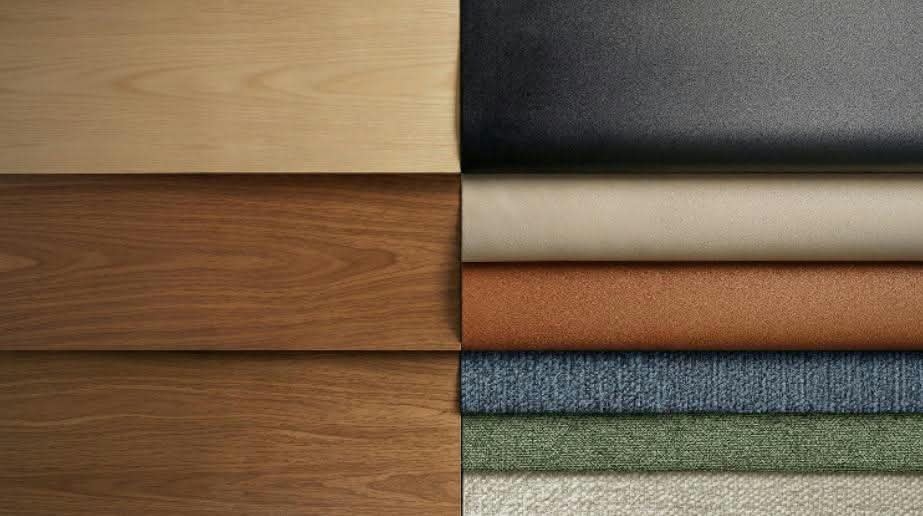
By contrast, designs that combine wood, leather, or fabric with upholstered elements can create a more natural balance between solidity and visual lightness. Wood introduces defined contours and visual warmth, leather adds a refined, sophisticated texture, and fabric can blend more easily into soft, contemporary home environments.
For example, the Mathias Executive Office Chair from Eureka Ergonomic combines a wooden backrest with an upholstered seat. Rather than relying solely on a bulky silhouette to establish its executive presence, it creates a distinctive identity through the curves of the wood, upholstery materials, and overall proportions.
This design approach is particularly suitable for those looking to create a refined executive office, private office, or home office. It allows office furniture to maintain a professional character without feeling out of place in a more residential setting.
How to Choose a Leather Executive Chair: Look Beyond the Word “Leather”
A leather executive chair is a common search term for premium office furniture, but when shopping for one, consumers should understand that the term “leather” on a product page does not necessarily indicate the same material specifications across different products.
Different types of leather and synthetic leather materials can vary in surface texture, softness, cleaning requirements, wear resistance, and how they age over time. Before purchasing, it is therefore important to review the specific material descriptions rather than judging quality based on product images alone.
If you value natural texture, a refined feel, and a formal executive aesthetic, look for products that clearly identify the type of leather used and specify which parts of the chair are upholstered in it. Checking whether material information is provided separately for contact surfaces, seat sides, and the back of the backrest can also help you assess how comprehensive the product specifications are.
The Mathias collection combines Napa leather with wood elements, creating a contrast in texture and feel between the materials. Wood retains its natural visual warmth, while leather provides a soft, refined surface in areas that come into regular contact with the user. This combination gives the executive chair greater material depth than a design based solely on extensive upholstery.
Leather is not the only option for every space, however. For a home office chair intended for a modern, minimalist, or residential setting, fabric may be a better fit for the overall aesthetic. Its appearance is often softer, making it easier to coordinate with upholstered sofas, rugs, and light-colored wood furniture. The right choice ultimately depends on cleaning requirements, material specifications, and individual usage habits.
Wood Backrests and Structural Craftsmanship: What Defines the Design?
When choosing a high-end office chair, decorative wood accents on the exterior are not the same as wooden components that form part of the backrest structure.
For chairs with curved wooden backrests, the way the wood is formed influences the final contour, surface continuity, and overall appearance. Pressing and shaping multiple wood layers can create a continuous curved structure, making wood an integral part of the overall design rather than simply a decorative element applied to the surface.
One defining feature of the Mathias collection is its curved backrest, formed from multiple layers of pressed wood. According to the collection’s product information, the wooden structure uses an 11-layer construction, with walnut or ash veneer paired with an eucalyptus plywood core. The collection’s materials information also states that its wood components use FSC®-certified wood.
These details help consumers understand the material and manufacturing choices behind the design. However, the number of wood layers alone does not determine a chair’s overall durability. Actual performance also depends on the complete structure, joint construction, manufacturing quality, and conditions of everyday use.
For those who value furniture-inspired design, the appeal of this type of wooden structure goes beyond technical specifications. Visible wood grain, flowing curves, and the transition between wood and upholstery all contribute to how the chair looks within a room. These details can help an office chair coordinate more naturally with other furniture, particularly in private offices and home studies.
Ergonomic Executive Chairs: Comfort Depends on Individual Fit
Even a chair made with quality materials and a refined appearance may not suit every user. For an ergonomic executive chair, the fit between the chair’s dimensions and the user’s body is equally important.
When evaluating a chair, start by checking three key areas.
Seat Height: Does the adjustment range allow your feet to rest flat on the floor while providing appropriate support for your thighs? If the chair’s minimum height is still too high, a footrest may help compensate for the difference.
Seat Depth: When seated, there should be adequate space between the front edge of the seat and the back of the knees. A seat that is too deep may make it difficult for shorter users to maintain back support while keeping their legs in a comfortable position.
Seat Width and Weight Capacity: In addition to checking the maximum weight capacity, consider the actual seat width and the space between the armrests, and whether these dimensions suit your body proportions. Height and weight alone cannot replace a comparison of the chair’s specific dimensions.
This is why executive chairs with different sizes and feature configurations are worth considering individually. Different versions within the same collection may accommodate different body types, workspace requirements, and seating preferences rather than requiring every user to adapt to a single set of dimensions.
The Mathias collection offers several versions, including Standard, XL, and Pro. Standard and XL differ in seat dimensions and overall space, while Pro is designed for users seeking more extensive recline and adjustment options. For precise fit, seat dimensions, and adjustment specifications, refer to the current product specifications for each version.
If you’re comparing executive office chairs from different brands, consider seat dimensions, adjustment ranges, and your actual usage needs together rather than making a decision based solely on the number of features or brand recognition.
Reclining and Adjustability: Consider How You Use Your Chair Throughout the Day
Modern workspaces often serve more than one purpose. In addition to focused work, users may read documents, attend video meetings, think through ideas, or take a short break in the same chair.
When comparing a reclining office chair, it is important to look beyond the maximum recline angle. Consider how smoothly the chair transitions between different seating positions and whether its adjustment mechanisms suit your working habits.
For those who primarily work at a desk, a stable working posture and appropriate support may be more important than an extensive recline range. If you frequently switch between working, reading, and resting, take a closer look at the recline range, locking positions, tilt tension, and available adjustment controls.
Preferences for backrest resistance, recline range, and adjustment mechanisms vary from person to person. More adjustment features do not automatically make a chair a better fit. What matters is whether those features address your everyday needs.
The Mathias collection offers different experiences across its available versions. Users who want to read or take a short break in their chair beyond focused work can explore the recline and adjustment features of the Pro version. For those looking to extend their seating setup beyond the desk, the Mathias Soft Pad Ottoman can also provide additional leg support in a suitable resting position.
Leather, Fabric, and Different Sizes: How to Make an Executive Chair Fit Your Space
When choosing an executive chair, it is important to consider not only who will use it but also where it will be placed.
In a formal executive office, black or brown leather can complement dark wood desks, metal accents, and a more subdued interior color palette. These combinations can help establish a cohesive design language in spaces that emphasize professionalism and classic furniture styling.
In a home office or modern residential setting, lighter materials, fabric upholstery, and natural wood grain can create a different visual effect. They can coordinate with light wood desks, soft wall colors, rugs, and residential furnishings, helping the workspace blend more naturally into the home.
Different versions and material options also create more possibilities for coordinating furniture. For example, a leather-upholstered Mathias chair can suit a private office with a more formal aesthetic, while a fabric version may work better in a workspace with a more residential feel. If the space also serves as a place for reading and relaxation, adding a footrest can help create a more complete resting area.
For corporate buyers furnishing multiple offices in a consistent style, it is also important to consider room dimensions, differences among users, furniture coordination, and maintenance requirements. Home users, meanwhile, can start by deciding where the chair will be placed, how its proportions relate to the desk, and whether it coordinates naturally with existing furniture.
How to Compare High-End Executive Office Chairs Before Buying
When several chairs look similar but differ significantly in price, comparing product images alone is not enough. A more effective approach is to evaluate each chair across several specific criteria.
-
Design and Construction: Backrest construction, material combinations, connection methods, and overall build quality.
-
Upholstery Materials: Specific leather or fabric specifications, including material details for different parts of the chair.
-
Body Fit: Seat height, seat depth, seat width, armrest clearance, and weight capacity.
-
Adjustability: Recline mechanism, locking positions, tilt tension, and practical adjustment needs.
-
Intended Use: Suitability for formal offices, private offices, home studies, or reading areas.
-
After-Sales Support: Warranty period, applicable terms, return and exchange policies, and repair support.
You can also review the chair’s base materials, gas lift specifications, and foam details. However, the quality of an entire chair should not be judged solely by the grade or material of a single component. Structural designs, testing conditions, and warranty coverage can vary between products, so it is best to refer to the manufacturer’s published specifications and applicable terms.
If you cannot try a chair in person before purchasing, prioritize products that provide complete dimensional information, clear material descriptions, detailed adjustment specifications, and accessible after-sales policies. This information makes it easier to assess whether a chair meets your actual needs and reduces the risk of making a decision based solely on appearance or marketing claims.
Let Design, Comfort, and Intended Use Guide Your Choice
A high-quality executive office chair should do more than look impressive in product photos. It should also suit the realities of your work routine and workspace. From choosing between leather and fabric to evaluating wooden backrest construction, seat dimensions, and recline features, each factor addresses different user needs.
The Mathias Collection from Eureka Ergonomic offers an example of how wood elements, leather or fabric upholstery, cushioned construction, and different chair versions can come together in one design range. It maintains the professional character expected of an executive chair while offering different styling options for modern offices, private workspaces, and home studies.
Before making a final decision, consider your body dimensions, daily usage habits, and the style of the space where the chair will be placed. Rather than searching for a chair that stands out in every category, choose an executive office chair that best meets your needs in terms of design, fit, and everyday use.
About Us
We explore what makes a high-end executive office chair a balance of refined design, quality materials, and everyday comfort. From leather and fabric upholstery to wooden backrest construction, ergonomic fit, and adjustable features, our guide helps readers understand what to look for before buying. We also highlight how different chair styles and configurations can complement formal offices, private workspaces, and modern home studies. Our goal is to help readers make informed choices based on their personal needs, workspace, and daily routines.
Media Contact
Company Name: Eureka Ergonomic
Contact Person: Ryan Hu
Email: Send Email
Country: United States
Website: https://eurekaergonomic.com/
Press Release Distributed by ABNewswire.com
To view the original version on ABNewswire visit: How to Choose a High-End Executive Office Chair: A Complete Guide to Design, Materials, and Ergonomics


